Elections in Trinidad and Tobago have always been about more than policy platforms and manifesto promises. They are about identity, ethnicity, community loyalty, and the complex dance of a multi-ethnic society navigating its own internal tensions through the ballot box. The 2025 general election was all of those things — and also, more urgently than most, about a specific and immediate crisis: the crime wave that had made T&T one of the most violent countries in the Americas by per capita homicide rate.
The electorate that went to polling stations across the twin islands carried that weight with them. In communities where residents had lost family members to gang violence, where businesses operated behind security grilles and with armed guards, where parents worried about their children's journey to school — the abstract language of political debate had acquired a very concrete edge.
The Campaign Dynamics
The incumbent PNM government under Dr. Keith Rowley entered the campaign defending a decade-long record that included, by any accounting, a significant failure on public safety. Crime statistics had deteriorated consistently through the administration's tenure. The government's arguments — that the crime problem had global and regional roots that any single government could only partially address, and that economic progress had been made despite difficult global conditions — failed to resonate with a public that measured the government's performance in the number of people it knew who had been murdered.
Kamla Persad-Bissessar's UNC-led People's Partnership coalition ran on a platform that was, at its core, a promise to do what the PNM had not: take the crime crisis seriously enough to declare it a national emergency and act accordingly. The SOE that followed her election victory was the most visible fulfilment of that promise.
What the Vote Meant
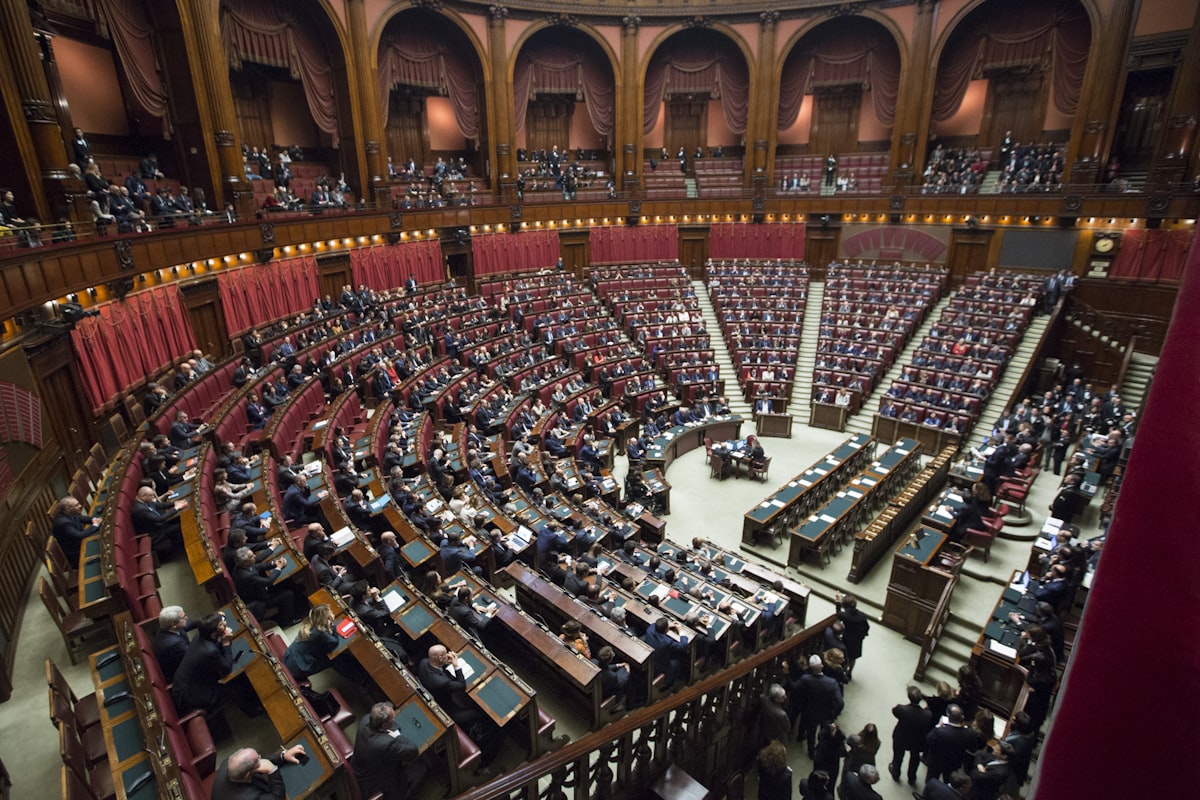
The result, when it came, was not a landslide but it was decisive. The People's Partnership's majority in Parliament was sufficient to govern without dependence on coalition partners. For T&T's political landscape, the election represented a restoration of the alternation between the country's two main political blocs that has characterised its democratic history — reassuring evidence, in a region where democratic norms are under pressure, that the twin-island republic's institutions remain functional.