On December 30, 2024, Prime Minister Kamla Persad-Bissessar addressed the nation with the gravity of a leader delivering news that no government wants to deliver. Trinidad and Tobago, she announced, was entering a State of Emergency. The country had recorded its highest murder rate in history. Criminal gangs had grown so powerful they were believed to have penetrated the prison system itself. The situation required extraordinary measures.
For Trinidadians, the word "emergency" carries specific historical weight. The country has experienced SOEs before — most notably in 2011, under Prime Minister Kamla's first administration — but the 2025 declaration arrived in circumstances that felt qualitatively different. This was not merely a response to a spike in crime statistics. It was a response to a documented conspiracy to assassinate key government officials.
What an SOE Actually Means
Under Trinidad and Tobago's constitution, a State of Emergency grants the government significant powers that would otherwise require parliamentary approval or judicial oversight. Police and military can detain suspects for extended periods without charge. Curfews can be imposed across specified areas. Search and seizure powers are broadened. Public gatherings can be restricted.
In practice, the 2025 SOE has meant nightly curfews in hotspot communities, heavily armed patrols on major roads, and hundreds of detentions in the first weeks of implementation. For residents of Laventille, Beetham, and other high-crime neighbourhoods, the visible security presence has been both reassuring and intimidating — communities already subject to disproportionate policing now experiencing an even more intense security blanket.
The Carnival Question
The SOE's collision with Carnival season created an extraordinary governance challenge. The festival — whose economic and cultural importance cannot be overstated — was scheduled for March 2025, just weeks after the SOE's implementation. The government's decision to allow Carnival to proceed, with enhanced security rather than cancellation, was controversial but ultimately reflected the difficulty of telling a nation to suspend its most fundamental cultural expression.
Extension and Resistance
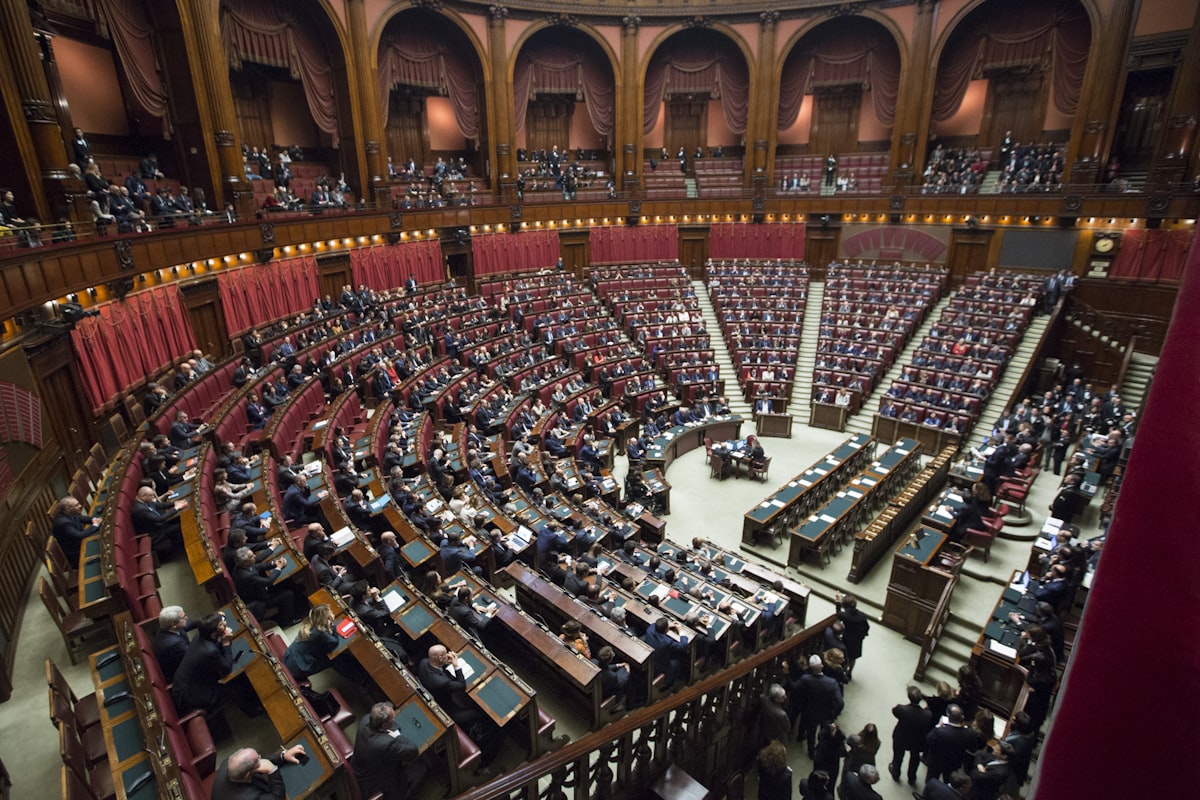
The SOE was extended multiple times through 2025, with Parliament approving prolongations that pushed the measure toward an October expiration. Civil society groups, legal scholars, and opposition politicians have consistently questioned the proportionality of the measures and raised concerns about constitutional rights. The government's position has been equally consistent: the threat is real, the measures are necessary, and civil liberties must sometimes yield to collective security.